Bird and Bat Guano Cleanup
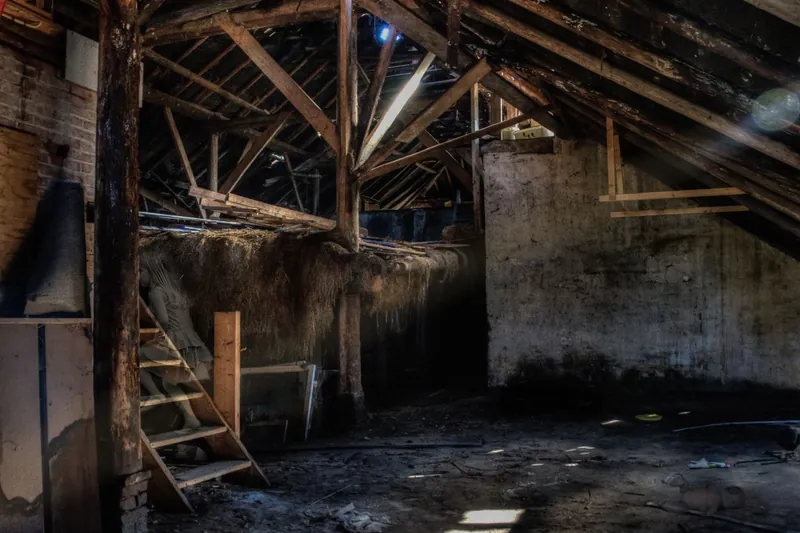
Attics and other structures receive cleanup and disinfection for bat and bird guano.
See bird and bat guano cleanupGet mouse and rat droppings, urine, nests and soiled insulation removed from an attic, crawl space, garage or home in Davidson. Dry waste is wetted before removal to keep particles from spreading.
Rodent droppings cleanup is the controlled wet removal of mouse or rat waste, urine, nests and contaminated materials, followed by cleaning, disinfection, odor treatment and a final check of the affected area.
The work may cover an attic, crawl space, basement, shed, garage, cabin, pantry, storage room or living area. Cleanup technicians look beyond the visible pellets because urine, nesting material and debris can sit beneath insulation, behind stored boxes or along wall edges. This biohazard cleanup service focuses on the contamination left behind after rodent activity.
Although each property has different conditions, ordinary sweeping is not the cleanup method. No one should brush, blow or vacuum dry nests and droppings. Instead, suitable disinfectant wets the material and remains for all of its labeled contact time before disposable tools lift it. Sealed surfaces receive cleaning and disinfection, while soiled absorbent materials are assessed for removal. Preventing a new infestation also requires separate pest control and closure of entry holes.
Daytime and nighttime calls are accepted, and cleanup crews may travel in unmarked vehicles. A private cleanup and a judgment-free discussion help protect your comfort.
You receive an explanation of the treatment areas, possible removals and scope-changing conditions before cleanup starts.
Condition and material type guide how personal property is evaluated. Items are not discarded simply because storage placed them near the affected area.
Requested records for property owners, landlords or insurance companies can include photos, work-scope details and a removal inventory.
Consider professional cleaning if the affected material covers a broad area, has entered porous items or cannot be reached easily. Situations commonly include:
Shelves, packages and nearby food-contact areas may be affected when urine or droppings appear in storage spaces or cupboards.
A closed storage space can hold dry droppings, damaged boxes, nesting material and residue on tools, shelves and concrete.
Low clearance, exposed soil, pipes and limited ventilation can make wet removal and safe movement harder than cleaning an open room.
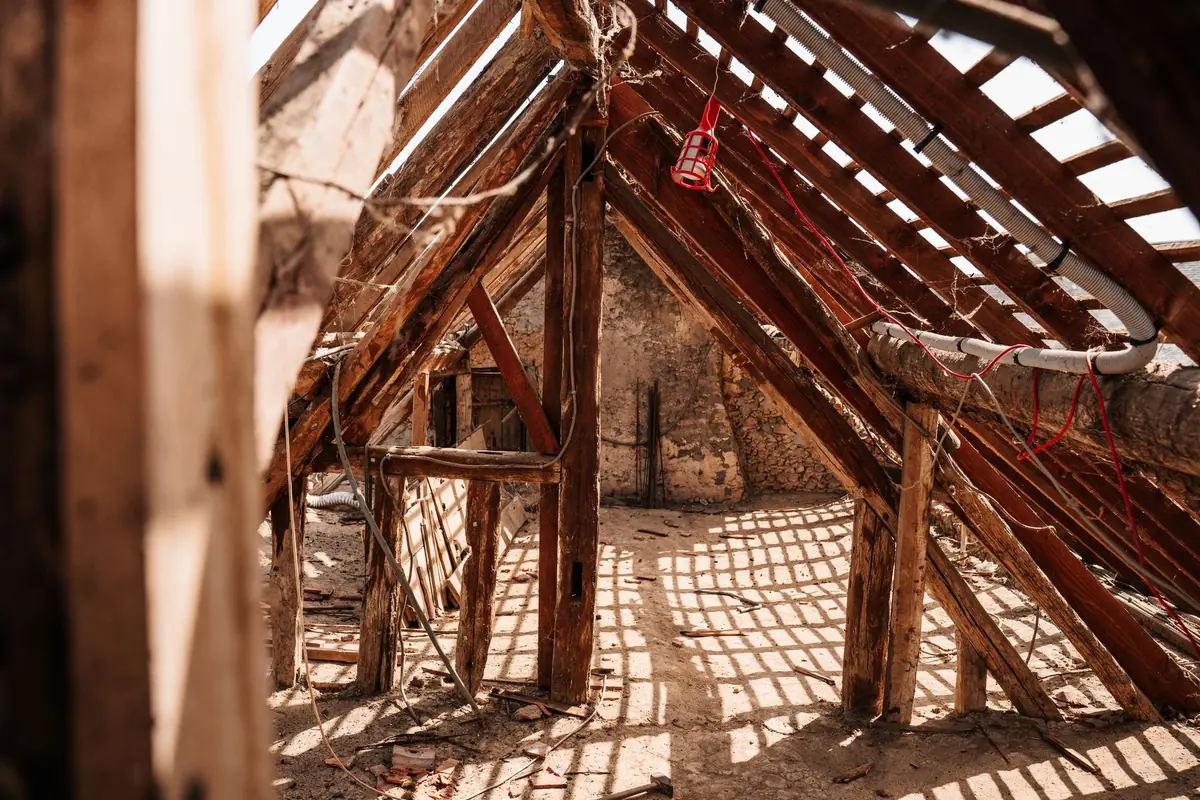
Droppings, urine and nests may be spread across insulation, rafters, stored belongings and narrow areas where safe access is difficult.
Before cleaners arrive, focus on stopping dry debris from entering the air or being tracked to unaffected rooms. Follow these steps:
Call (888) 440-9227HazardPros lists a rodent cleanup benchmark of $150 to $600 and a waste removal and disinfection benchmark of $600 to $1,000. Its attic cleaning benchmark with insulation replacement is $2,200 to $6,200. These are planning ranges, not a fixed quote. The final price depends on the size, access, insulation, odor and amount of waste.
Published national cost guides are the source for these ranges, rather than an inspection of your property. The price for your property is set after the on-site assessment, and you hear it before work starts.
Ask about cost: (888) 440-9227Insurance coverage varies with the policy and damage cause. It also rests on whether your insurer considers the condition gradual pest damage or an event covered by the policy.
Your insurance company can explain if damaged insulation removal, cleanup and repairs fall within coverage. Some policies exclude gradual damage caused by pests, although terms vary between contracts.
Let the building manager or property owner know about the affected area. Payment and cleanup arrangements depend on factors such as what caused the issue, what the lease says and which local requirements apply.
Photos, an itemized work scope, a list of removed materials and receipts may support a claim. Ask the insurer what records it wants before work begins when practical. With organized records, you may move forward more easily on an insurance claim.
A business should check its commercial property policy and lease terms. During assessment of policy coverage and cleaning needs, block worker and customer access to the affected area.
The rodent remediation process follows a controlled order that keeps dry waste from spreading into surrounding areas. Rodent cleanup involves assessment, wet treatment, removal, disinfection and a final check. You hear what every step covers before the entire process begins.
The inspection covers rooms, attics or crawl spaces, safe access and any affected droppings, urine, nests, insulation, vents and personal property.
Barriers divide the cleanup space from unaffected sections. Appropriate protective equipment and one managed entrance help prevent rodent debris from being carried through your property.
Where safety permits, ventilation is used for a shut room. People lacking protection do not enter the work space, and fans never push air through contaminated particles.
The selected disinfectant thoroughly wets nests, feces and urine deposits. The surface stays wet for the contact time on the product label before removal.
Crews collect wetted debris using single-use equipment and contain it while progressing through one area at a time. Waste does not travel over clean floors by dragging, sweeping or shaking.
You approve the removal scope before crews bag insulation, cloth, boxes or other porous contents that cannot be completely cleaned.
Reachable hard surfaces are cleaned before an EPA-registered disinfectant is applied for its full contact time. Source removal comes before odor and air quality work.
The area is checked for missed debris, residue and odor. Your cleanup summary helps you plan any needed pest exclusion and restoration services as separate work.
Call any hour. Your rodent droppings and hantavirus cleanup specialist answers the phone, describes what happens next and works with you on a start time.
Germs may be present in rodent urine, nests and droppings. If this material is disturbed before it is wet, contaminated particles can enter the air and be inhaled. In dusty, enclosed areas especially, a heavy amount of contamination can pose serious health risks.
People with weakened immunity or breathing conditions should avoid any heavily affected area. Seek medical advice for symptoms after exposure, and explain your contact with rodents.
Rodent urine may penetrate fabric, cardboard, unsealed lumber and insulation. Removing what you can see may not address odors or contamination absorbed beneath porous surfaces.
Hantaviruses occur in certain wild rodents. People can be exposed when contaminated droppings, urine or nesting material are stirred into the air, which is why dry sweeping and vacuuming are avoided.
Can you clean it yourself? For limited waste that you can reach easily, careful protection and a wet-clean approach may be manageable. Ventilate where safe, wear gloves, soak the droppings with disinfectant, allow the label contact time, wipe them up and seal the waste. Do not vacuum or sweep dry material. Arrange professional cleanup for contamination that is dusty, heavy, extensive, inaccessible or spread among stored belongings and insulation.
For a small and reachable area, rodent cleanup can take a few hours. A complete attic or crawl space commonly needs one to two workdays. Difficult entry, widespread insulation removal or heavy contamination may extend that schedule.
| Scene | Typical time on site |
|---|---|
| A small shed, garage or area with solid surfaces | Often completed in a few hours |
| Attic or crawl space with limited material removal | Often one to two workdays |
| Extensive removal of insulation after a heavy infestation | May require more than two workdays |
Finding the source comes first in rodent odor removal. Nests, urine, contaminated insulation and dead rodents may be hidden along wall edges, under stored belongings, next to ductwork or within cavities in the building. Scented products can briefly mask an odor. They cannot clean the underlying surface or take away contaminated material.
After waste and porous materials are removed, reachable hard surfaces are cleaned and disinfected. HEPA air scrubbers may support air quality work during a larger professional cleanup, but they do not replace source removal. A smell that returns can point to hidden material, an active infestation or an entry area that still needs separate pest control and repair.
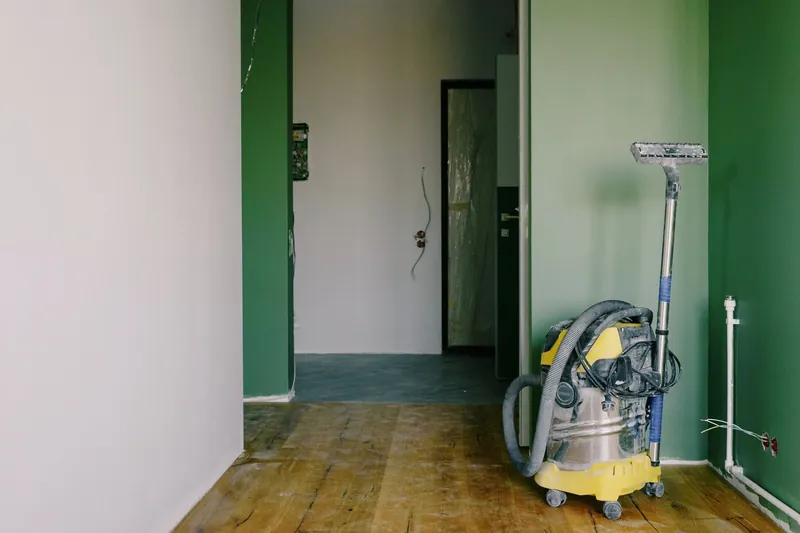
CDC instructions call for a damp cleanup method. Before removal, rodent waste and nesting debris are wetted with disinfectant. Dry sweeping and ordinary vacuuming can spread particles and should be avoided.
Choose a product that works against the germ involved without damaging the treated material. The product must remain in place for its entire labeled contact time, with all directions observed.
Employers need to assess the exposure and select suitable protective equipment, work practices and training. OSHA Bloodborne Pathogens Standard 29 CFR 1910.1030 governs occupational contact with blood and other materials within its scope.
The kind of debris, property and local area can each affect disposal rules. Do not assume all rodent debris is hazardous waste. Soiled insulation, dead rodents, sharps or other hazardous materials may require different steps, so local requirements should be checked.
The full rodent droppings and hantavirus cleanup guide covers what is cleaned or removed, odor and air quality work, and the rules that apply in North Carolina and Mecklenburg County.
Read the full rodent droppings and hantavirus cleanup guide
Planning for access, containment and cleanup can depend on local population, housing and entry conditions.
A local renter share of 20.0% means many properties may have one owner making decisions about access, drying, and material removal.
A median construction year of 2005 often means modern assemblies, yet fluids can still move beneath floating floors and baseboards.
The local senior population includes 640 people living alone, and each unattended event calls for discreet, respectful cleanup planning.
Because 79.9% of local housing is single-family, owners often can make direct decisions about removing affected structural materials.
Ask on the call about cleanup options for neighboring communities and ZIP codes.
Attics and other structures receive cleanup and disinfection for bat and bird guano.
See bird and bat guano cleanup
Odors and dead animals are cleared out of wall cavities, vents and crawl spaces.
See dead animal removal and cleanup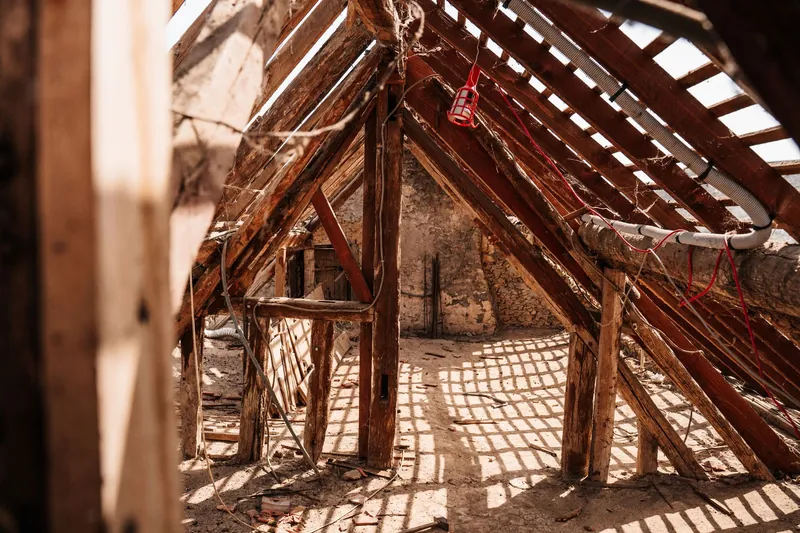
Animal hoarding cleanup addresses waste, urine-soaked materials and odors caused by ammonia.
See animal hoarding cleanup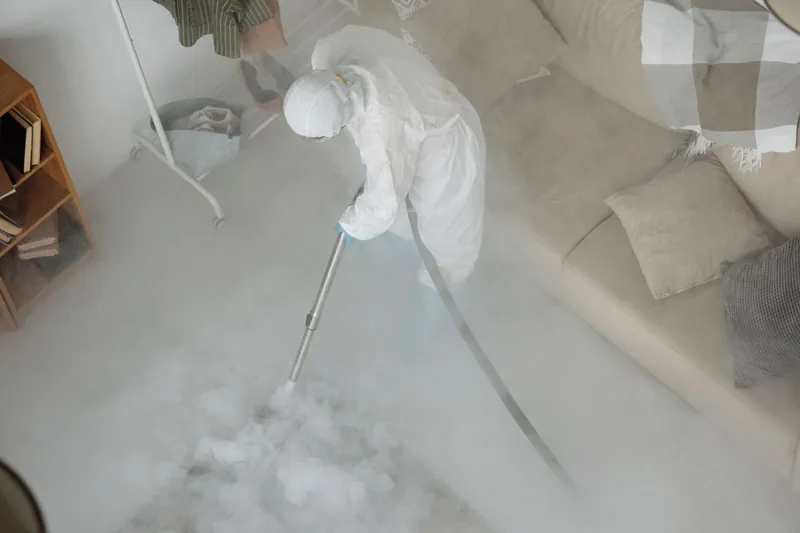
Rooms, surfaces and air receive complete decontamination following infectious or hazardous exposure.
See biohazard decontamination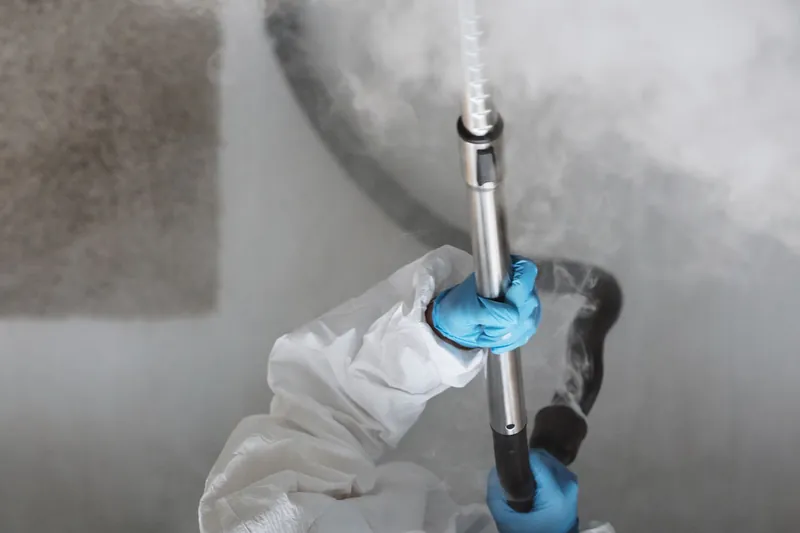
Disinfection for infectious disease uses EPA-registered products with complete coverage of surfaces.
See infectious disease disinfection
Cleanup addresses severe filth and squalor when a home has become unsafe to live in.
See filth and squalor cleanup
Biohazard waste is collected in labeled, sealed containers and taken for disposal.
See biohazard waste disposal
Sewage cleanup in a crawl space addresses contaminated soil and saturated insulation.
See crawl space sewage cleanupHazardPros reports $150 to $600 for rodent cleanup and $600 to $1,000 for waste removal and disinfection. It lists $2,200 to $6,200 as the attic cleaning benchmark with insulation replacement. What you pay will vary with accessibility, affected space, insulation, smells and the volume requiring disposal.
Glass, metal, hard plastic and other sealed surfaces can often be cleaned and disinfected. Treatment can generally be applied to the outer surface of shut plastic bins. You may need to discard urine-affected fabric, paper, cartons, insulation and materials used for nests. Personal property should be reviewed item by item before anything is discarded.
An attic cleanup service can clear feces, nest material and contaminated insulation. Pest control usually addresses live rodents and entry points, while the cleanup service addresses what was left behind. Find out about containment, the process for taking out affected material and whether repairs require another service.
No. Dry particles can circulate throughout a room when you sweep them or use a household vacuum. Prevent anyone from entering, including pets, and ventilate safely. Soak feces with the correct disinfectant, observe the label time and remove everything using disposable equipment.
CDC guidance allows a suitable disinfectant or a properly prepared bleach solution for wet cleanup. Leave dry material undisturbed, apply enough product to saturate it and wait as directed, while never mixing one cleaner with another. Products vary in concentration, compatible materials and required procedures, so always follow their current directions.
No. Cleanup removes droppings, urine, nests and contaminated materials, but it does not remove live rodents or seal their entry points. Exclusion work and active pest control are independent services. After cleaning, arrange inspection and repairs for gaps, vents or other access points, then monitor the area for new signs.
Respectful, discreet rodent droppings and hantavirus cleanup is available 24 hours a day, and crews arrive in unmarked vehicles.