Hoarding Cleanup
Hoarding cleanup with respectful sorting, removal and deep cleaning.
See hoarding cleanupClear a crowded home in Davidson with careful sorting, approved junk removal and cleaning of exposed rooms. You decide what stays, what can be donated and what leaves the property.
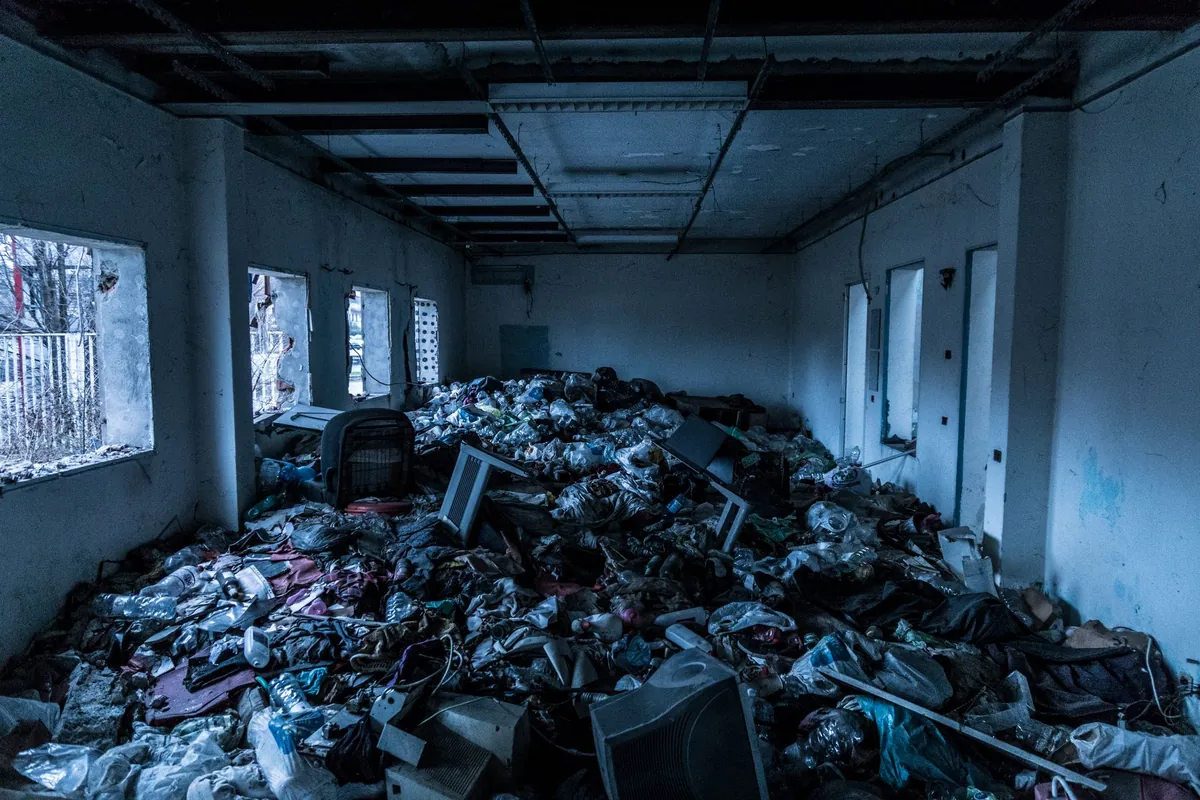
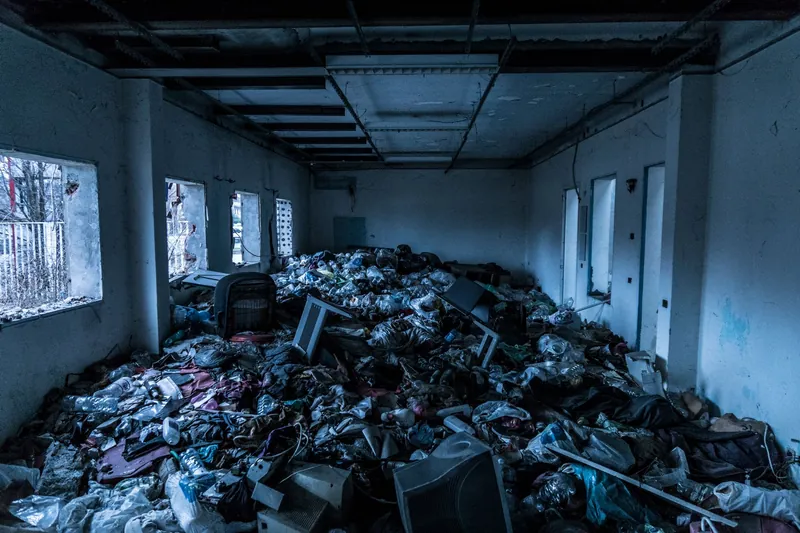
A hoarder house cleanout means methodically sorting accumulated possessions, removing the items and rubbish you do not want, and cleaning newly reachable parts of the home.
A quick junk pickup or standard house cleaning does not address the same conditions. Narrow paths and blocked rooms are common, and trash may be mixed together with useful possessions. Before cleaning advances, you establish what matters most. Workers can sort items for donation, disposal, recycling or retention. They set aside photographs, cash, important papers, jewelry and other personal belongings for your decision.
Some properties can be addressed through a hoarding cleanup service followed by deep cleaning. Accumulated contents in others may cover spoiled food, bodily fluids, water damage, needles or animal waste. Where contamination exists, the work requires protective equipment, cautious removal, disinfection and correct waste disposal. What the inspection reveals determines whether cleanout alone, biohazard remediation alone or both belong in the scope.
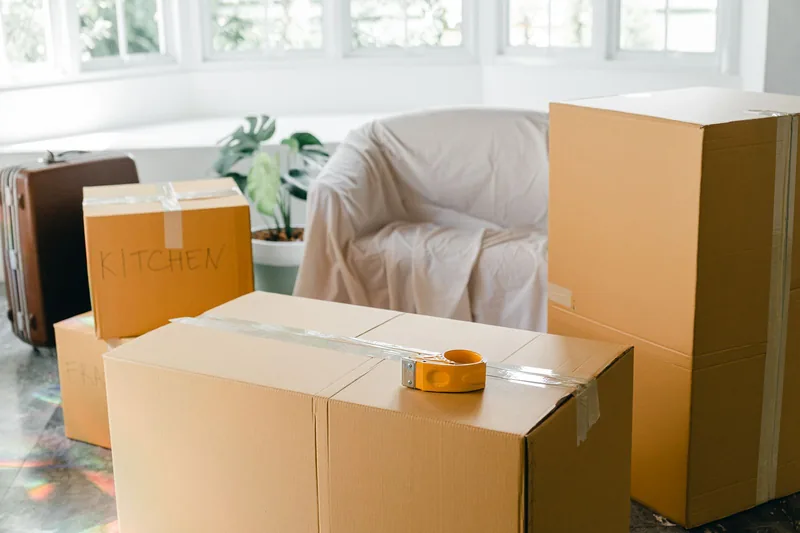
To respect you and your neighbors, the crew uses unmarked vehicles and takes care while moving household contents.
The cleanup approach considers sharp items, unstable heaps, blocked walkways and contaminated locations ahead of any material removal.
You decide the goal, the keep categories and the order of rooms before sorting and removal move forward.
You learn how sorting, hauling, cleanup, special disposal and restoration fit into the entire process, making each part easier to understand.
When accumulated belongings prevent safe, practical routine cleaning, hoarder cleanout services may fit the situation. Hoarding cleanup services and hoarding clean out services are other terms for this work. The person directing the decisions and the conditions inside the home should shape the scope because no two goals are alike.
A smaller first cleanup project may cover just one storage area, basement, garage or bedroom.
With lawful access, a property owner may arrange a hoarder removal service, or choose junk removal for hoarders, and then plan cleaning and repair.
Hazardous materials such as needles, urine, feces and spoiled food need controls beyond ordinary cleaning services.
Companies that clean out hoarder homes can sort mixed belongings and open blocked floors through a planned removal process.
Your first priorities are keeping people safe and identifying a few key decisions. There is no need to organize every room before you ask for assistance. Consider emergency response when access to an exit is blocked or a hazard is immediate.
Call (888) 440-9227The usual published range for most hoarder house cleanout projects is $1,000 to $4,000. For load-based junk removal, other guides cite $300 to $800 for every truckload, with $150 to $350 for each disposal or dumpster load and crew labor running from $25 to $100 hourly for each worker. Use these figures only for planning, since they are not a quote. Actual cost is shaped by material volume, property access and special disposal requirements.
These national ranges are taken from published cost guides, rather than a property visit. After an on-site assessment, the price for your property is determined and shared with you before cleanup begins.
Ask about cost: (888) 440-9227Coverage for a hoarding cleanout varies according to both the insurance policy and what caused the damage. Do not presume that accumulated-item removal will qualify.
When the home involves an eligible crime or trauma as well, find out whether separate assistance is available. Homeowners or renters insurance is usually the first place to ask about cleanup costs. After a death the estate often pays, and in a rental the owner usually arranges the cleanup.
Find out ahead of the work what cleanup documentation, photographs, inventory and cause-of-loss facts your adjuster needs. When asking for insurance assistance, include the claim number in your cleanup notes.
Tenants and property owners need to check local rules, insurance terms and the lease. Before work, the authorizing person should confirm entry rights and payment responsibility.
Ask the insurance company whether your policy covers restoration, contaminated structural material or one specific sudden loss instead of regular sorting and hauling. Insurance companies may assess the project's individual parts separately.
First, the hoarding removal process establishes safe conditions and decision rules. Hauling and cleaning follow, with remediation potentially involving waste disposal, odor removal, surface cleaning and sorting. The cleanup does not need to enter the next room until you approve its speed and categories.
Your preferred starting rooms are identified along with obstructed access, unstable piles, utilities and visible contamination.
Your plan names priority possessions, defines what to keep, donate, recycle or discard, and identifies which paths or rooms need opening first.
The cleanup conditions guide protective gear choices, with work sections separating reviewed property from items still scheduled to leave.
Possessions are sorted a manageable group at a time. Your valuables, key papers, photos and sentimental items are placed separately.
Approved trash and unwanted contents are bagged or loaded, while recycling, donations and items needing special disposal remain separated.
When a fixture, wall or floor can be reached, loose soil is removed before the surface is cleaned appropriately.
If bodily fluids, feces or other biological material is present, the cleanup involves isolating the affected area, cleaning it and applying an EPA-registered disinfectant for its full label contact time.
You walk through the cleared areas, confirm that requested items were retained and note any repairs or restoration services still needed.
Call at any time. Your hoarder house cleanout specialist answers the phone, describes what happens next and works with you on a start time.
A heavily crowded home can hide physical and biological hazards, so the first task is to identify the affected area before moving piles or opening containers.
Surfaces close by can be contaminated when feces, bodily fluids, urine or spoiled food are present. Waste penetrating a carpet, subfloor or wallboard increases serious health risks.
A tall, tightly packed pile may shift after one piece is taken out. Floor clutter can also cover broken glass, holes, steps and additional hazards that may cause a trip.
Leaking chemicals and pesticides, fuels, batteries, shattered glass and needles need proper containment away from household trash.
Can you clean it yourself? A lightly crowded room with dry household items and clear walkways may be suitable for a careful family cleanout. Stop and seek professional cleanup when piles are unstable, exits are blocked, pests are active, or you find feces, urine, sharps, chemicals, mold or other contaminated materials.
A hoarder cleanout may last a day when it involves one room with easy access, while a severely crowded house can require a week or more. Timing changes with the volume to sort, the speed of your decisions, ease of movement through the property and any need for specialized cleaning.
| Scene | Typical time on site |
|---|---|
| A single reachable room or limited space | A common range is one to two working days |
| Several rooms with active sorting | A common range is two to four working days |
| An entire house with contamination or blocked access | A common range is three to seven working days or beyond |
The source has to be removed before an odor can be resolved. Surface cleaner or fragrance will not stop smells that continue from spoiled food, trash, damp belongings, animal waste or contaminated porous materials. Once accumulated piles are cleared, you can also see whether liquids entered drywall, carpet, padding, cabinets or the subfloor.
Once the source is gone, exposed areas can be cleaned by a cleaning service. Suitable surfaces can also be disinfected if biological contamination exists. Air cleaning with HEPA filtration may reduce airborne dust while work is underway. An odor that remains may indicate concealed waste, lingering moisture or material still requiring removal. Better air quality depends on correcting those root conditions.
The owner or another authorized person must approve entry and removal. Before cleanup begins, rental, court or estate matters might call for documentation showing legal authority.
If a worker might encounter blood or specified bodily fluids, training, exposure controls and protective equipment are required under the OSHA Bloodborne Pathogens Standard, 29 CFR 1910.1030, in that situation.
Separate disposal methods apply to biological waste, sharps, chemicals and ordinary household garbage. North Carolina treats soaked materials from a biohazard scene as medical waste. Rules from the state Department of Environmental Quality's Solid Waste Section control how it is packaged, stored, transported and treated, so it cannot go in household trash.
Never enter an area that public safety officials have restricted or take down an official notice. Local health and building rules can affect how a contaminated room is cleaned and when it can be used again, so mention any notice you have received from the city or county. if another incident requires an authority release.
The full hoarder house cleanout guide covers what is cleaned or removed, odor and air quality work, and the rules that apply in Mecklenburg County.
Read the full hoarder house cleanout guide
Local housing, population and access details can shape containment, access and cleanup planning.
A local renter share of 20.0% means many properties may have one owner making decisions about access, drying, and material removal.
A median construction year of 2005 often means modern assemblies, yet fluids can still move beneath floating floors and baseboards.
The local senior population includes 640 people living alone, and each unattended event calls for discreet, respectful cleanup planning.
Because 79.9% of local housing is single-family, owners often can make direct decisions about removing affected structural materials.
Your phone conversation can include questions about service in nearby ZIP codes and communities.
Hoarding cleanup with respectful sorting, removal and deep cleaning.
See hoarding cleanup
Animal hoarding cleanup addresses waste, urine-soaked materials and odors caused by ammonia.
See animal hoarding cleanup
Cleanup addresses severe filth and squalor when a home has become unsafe to live in.
See filth and squalor cleanup
Following a death, estate cleanout includes sorting possessions and removing them safely.
See estate cleanout after a death
After an eviction or tenant move-out, cleanup removes fluids, waste and filth.
See eviction and tenant move-out biohazard cleanup
Yards, encampments, parks and rental properties receive needle and sharps cleanup.
See needle and sharps cleanup
Rodent droppings and hantavirus cleanup in attics, basements and crawl spaces.
See rodent droppings and hantavirus cleanup
Biohazard waste is collected in labeled, sealed containers and taken for disposal.
See biohazard waste disposalWhen sharps, animal remains, bodily fluids, blood, feces or urine affect a home, biohazard cleanup may be appropriate, particularly on porous materials. Ordinary clutter alone is not a biohazard. What the initial inspection reveals decides if the project includes disinfection, controlled material removal and regulated waste disposal.
Set agreed guidelines for each category prior to picking up belongings. Focus on one limited space, let the person inspect belongings when possible and place important property in an identified area. Separate donations and recycling from trash. Pause the item sorting if decisions become too much, and do not make irreversible choices unless the person agrees.
Cleared spaces receive an inspection for leftover waste, odors, stains, dampness, pest activity and material damage. Cleanable surfaces can then be washed, with disinfection added where contamination requires it. You inspect saved belongings and cleared spaces. Separate repair or replacement can be needed for floors, drywall, cabinetry and fixtures that remain beyond restoration once cleanout ends.
Whether you stay depends on conditions within the work zone. A designated area away from hazards may let you take part in sorting. Anyone with health issues, along with pets and children, should avoid work zones containing dust, contamination or active removal. If the home cannot maintain a safe exit or usable living area, plan another place to stay.
According to published guides, most hoarder house cleanup costs $1,000 to $4,000. Junk removal priced by the load is listed at $300 to $800 for each truckload. The amount you pay varies with material volume, site access, total loads, timing and contents that require special disposal. The real scope can be established only after a walk-through.
Your reason for cleanup and policy terms determine coverage. Check with your insurance company about coverage for restoration, contaminated construction material or a particular sudden loss. Routine sorting and removal of accumulated contents may be treated differently. Find out the claim paperwork requirements ahead of cleanup, then save every requested record and photograph.
Discreet, respectful hoarder house cleanout, 24 hours a day, with crews in unmarked vehicles.